Looking for a Northwest Austin neighborhood that feels tucked into nature without giving up daily convenience? Jester Estates stands out for its ridge-top setting, established homes, and easy access to key Austin routes. If you want to understand what everyday life here really feels like, this guide will walk you through the views, outdoor access, home styles, and practical rhythms that shape the neighborhood. Let’s dive in.
Why Jester Estates Feels Distinct
Jester Estates sits on a ridge in Northwest Austin near RM 2222 and Loop 360, which gives the neighborhood a setting that feels removed from the rush of the city while still staying connected to it. According to the Jester Estates HOA, the community includes more than 900 homes and three entrances, with convenient access to downtown Austin, the Capitol, the University of Texas, and several major lakes within about a dozen miles.
That balance is a big part of Jester’s appeal. You get an established residential setting with a sense of separation, but you are not far from major Austin destinations when work, errands, or a night out call.
Another part of Jester’s identity is its environmental stewardship. The HOA describes the neighborhood as Austin’s second Green Neighborhood, and the City of Austin notes that Jester became Firewise-recognized in 2013 after resident-led wildfire mitigation work along the preserve boundary.
Views Shape Daily Life
One of the first things many people notice about Jester Estates is the scenery. The HOA highlights the neighborhood’s panoramic views, and the ridge-top topography helps explain why so many homes and streets have a dramatic visual connection to the surrounding hills.
In practical terms, that can mean mornings with long-range vistas, sunset light over the hills, and a stronger sense of privacy on many homesites. Because the neighborhood is shaped by hillside terrain, the setting often feels layered and visually interesting rather than flat or uniform.
That topography also influences how the neighborhood looks and feels from street to street. Some areas have a more tucked-away feel, while others open outward with broader sightlines across Northwest Austin.
Trails and Preserve Access Nearby
Jester’s outdoor story is closely tied to the Balcones Canyonlands Preserve system around it. Austin Water says the city’s Wildlands are managed for water, wildlife, and people, and Balcones Canyonlands Preserve lands help conserve habitat for endangered species and other species of concern.
For residents who enjoy spending time outside, that preserve adjacency adds meaningful character to daily life. It supports the sense that Jester is not just near green space, but woven into a more natural setting that shapes the neighborhood experience.
The BCP Trail Master Plan places Jester in a cluster with Bull Creek Greenbelt, Bull Creek District Park, Forest Ridge, and St. Edwards Park, where new or improved trails may be proposed. Trail uses in these areas are generally limited to hiking, hiking with dogs, trail running, and in some cases experimental biking.
That said, it is important to think of nearby outdoor access as preserve-oriented rather than one large, all-purpose park system. For example, the City of Austin notes that the nearby Bull Creek Preserve’s Forest Ridge Trail has year-round rules prohibiting dogs, bikes, horses, camping, campfires, and noisy activity.
A Quiet, Tucked-Away Street Pattern
Even though Jester Estates is close to major Austin corridors, it often feels sheltered from through traffic. A local neighborhood guide describes the internal street pattern as centered on Jester Boulevard, with residential cul-de-sacs and relatively low cut-through traffic.
That layout helps explain why the neighborhood can feel calm and residential on a day-to-day basis. You are near RM 2222 and Loop 360, but once you are inside the neighborhood, the pace tends to feel more settled.
For many buyers, this kind of layout matters as much as commute access. It can create a stronger sense of arrival when you come home and a more consistent neighborhood rhythm throughout the week.
Homes Have an Established Austin Feel
Jester Estates is made up of 19 subdivisions, many with their own covenants, according to the HOA. The HOA’s document library also includes architectural-control resources and a topographic map, which reflects how much the neighborhood’s hillside setting influences development patterns.
The housing stock is primarily single-family homes. NeighborhoodScout describes most residences as having been built between 1970 and 1999, with some newer construction mixed in.
That age range gives Jester an established character that many Austin buyers still seek out. Instead of a one-style-fits-all look, the neighborhood tends to show more variety in home design, lot shape, and elevation.
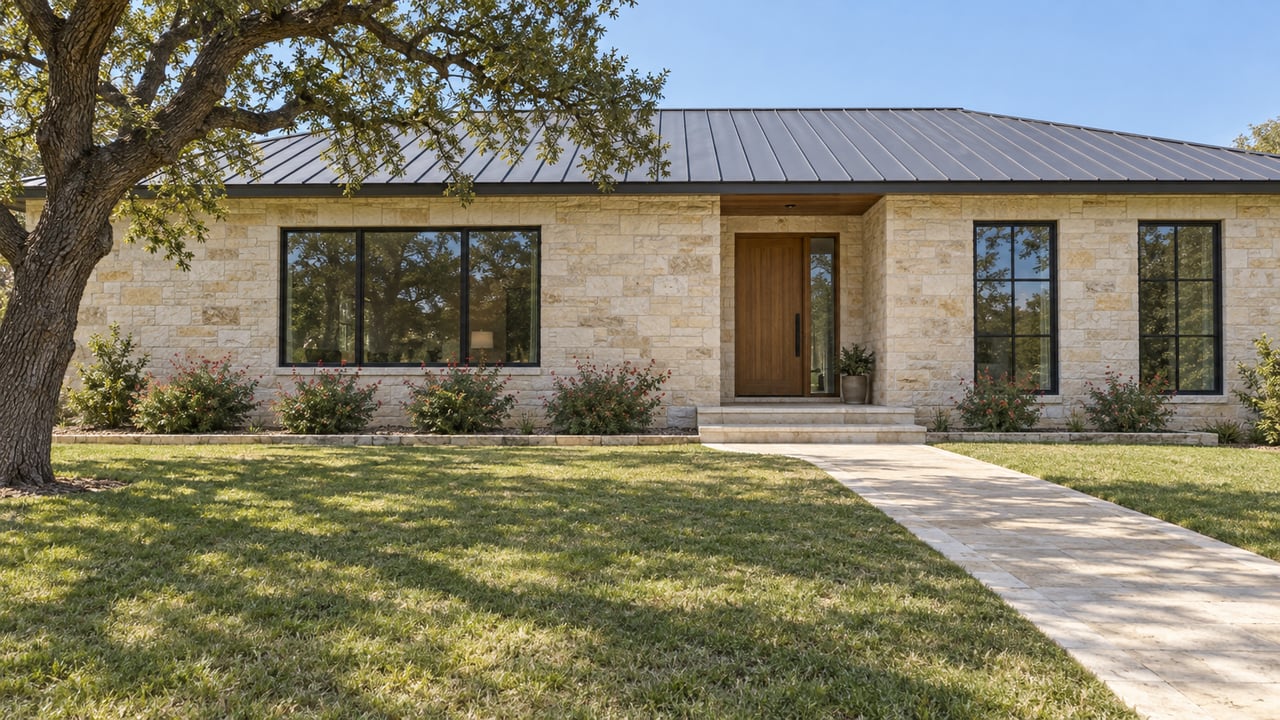
Local neighborhood guides describe visible styles that range from ranch-style homes to larger custom multi-level homes. That mix fits the terrain and helps give different sections of Jester their own feel.
What Everyday Errands Look Like
Jester Estates works well for people who want quick essentials close to home. The HOA says that near the RM 2222 entrance, nearby shopping centers include restaurants, a convenience store, dry cleaner, beauty salon, child care, healthcare offices, and retail shops.
Jester Village, located at Jester Boulevard and FM 2222, says it offers stores, restaurants, and office space on more than 11 acres. That means many basic stops can be handled close to the neighborhood instead of requiring a longer drive.
For bigger retail and dining trips, Northwest Austin offers broader choices a short drive away. The Arboretum describes itself as a major shopping destination off 183 and North Capital of Texas Highway, while The Domain positions itself as a destination for fashion, luxury, dining, and family fun.
In everyday terms, Jester often supports a two-part routine. You can take care of simple errands near the entrance, then head farther into Northwest Austin when you want more selection.
Community Identity Runs Deep
Jester Estates is not just a collection of homes on a hill. The neighborhood’s environmental identity is a visible part of how residents describe it and how local sources document it.
The HOA says Jester sits in the Northern Edwards Aquifer recharge zone, straddles the Bull and West Bull Creek watersheds, and includes green gardens and ponds. The City of Austin’s community profile also documents resident-driven work to remove hazardous fuels and create a shaded fuel break along the preserve boundary.
For a buyer, that tells you something important about the neighborhood culture. Stewardship, preserve awareness, and care for the surrounding landscape are part of the community story here.
Who Jester Estates May Appeal To
Jester Estates can make sense for a range of buyers, especially if you want established Northwest Austin housing with natural surroundings and practical access to daily needs. The neighborhood may stand out if you value views, a less hectic internal street pattern, and homes shaped by varied terrain.
It may also appeal to buyers who prefer established single-family neighborhoods over newer, more uniform developments. The mix of home styles and subdivisions can create more variety in layout, architecture, and setting.
If you are considering a move here, it helps to look beyond price and square footage. In Jester, the exact street, lot position, elevation, and preserve relationship can make a meaningful difference in how a property lives day to day.
What to Keep in Mind as You Search
When you tour homes in Jester Estates, pay attention to features that are especially relevant in a hillside neighborhood. A home’s orientation, driveway slope, lot usability, outdoor space, and view corridor can all affect long-term enjoyment.
It is also smart to understand which subdivision a home is in and what covenants may apply. Because Jester includes multiple subdivisions, details can vary from one section to another.
Finally, think about outdoor access with the right expectations. The nearby preserve areas add beauty and trail opportunities, but they also come with habitat-protection rules that shape how those spaces can be used.
Whether you are buying in Jester Estates or preparing to sell there, neighborhood-specific guidance matters. If you want help understanding how a particular home, lot, or street fits the market, Chet Smith can help you evaluate the details and make a confident move.
FAQs
What is Jester Estates known for in Northwest Austin?
- Jester Estates is known for its ridge-top setting, panoramic views, established single-family homes, preserve adjacency, and convenient access to RM 2222 and Loop 360.
What kinds of homes are in Jester Estates?
- Jester Estates is primarily made up of single-family homes, with most built between 1970 and 1999, plus some newer construction, and styles that range from ranch homes to larger custom multi-level homes.
What is outdoor access like near Jester Estates?
- Outdoor access near Jester Estates is closely tied to preserve land and nearby trail systems, with areas connected to the Balcones Canyonlands Preserve and nearby Bull Creek preserve spaces that include specific use rules.
What errands can you do near Jester Estates?
- Near the RM 2222 entrance and Jester Village, you can find restaurants, a convenience store, dry cleaning, beauty services, child care, healthcare offices, and other retail and office uses.
Does Jester Estates have an HOA and multiple subdivisions?
- Yes, the neighborhood HOA describes Jester Estates as made up of 19 subdivisions, and many of those subdivisions have their own covenants.
Why do buyers compare streets closely in Jester Estates?
- Buyers often compare streets closely because views, lot shape, elevation, preserve relationship, and hillside topography can vary significantly across the neighborhood.