Craving big-sky views without giving up Austin convenience? If you’re drawn to tree-lined streets, outdoor decks, and homes that step down a slope, Jester Estates in Northwest Austin may fit your lifestyle. You want privacy, character, and room to breathe while staying close to everyday needs. This guide breaks down how hillside living works here, what to watch for, and how to buy or sell with confidence. Let’s dive in.
Why Jester Estates appeals
Jester Estates sits in the limestone hills of Northwest Austin, where elevated lots deliver long sightlines and mature trees. You’ll find a mix of original-period homes and thoughtful renovations or rebuilds that take advantage of the terrain. Many buyers come for a suburban-but-close-in feel, larger lots, and outdoor space for pets and gardening. Sellers benefit from lot desirability, especially when views, privacy, and outdoor improvements are in place.
Hillside living 101
Topography and lot orientation
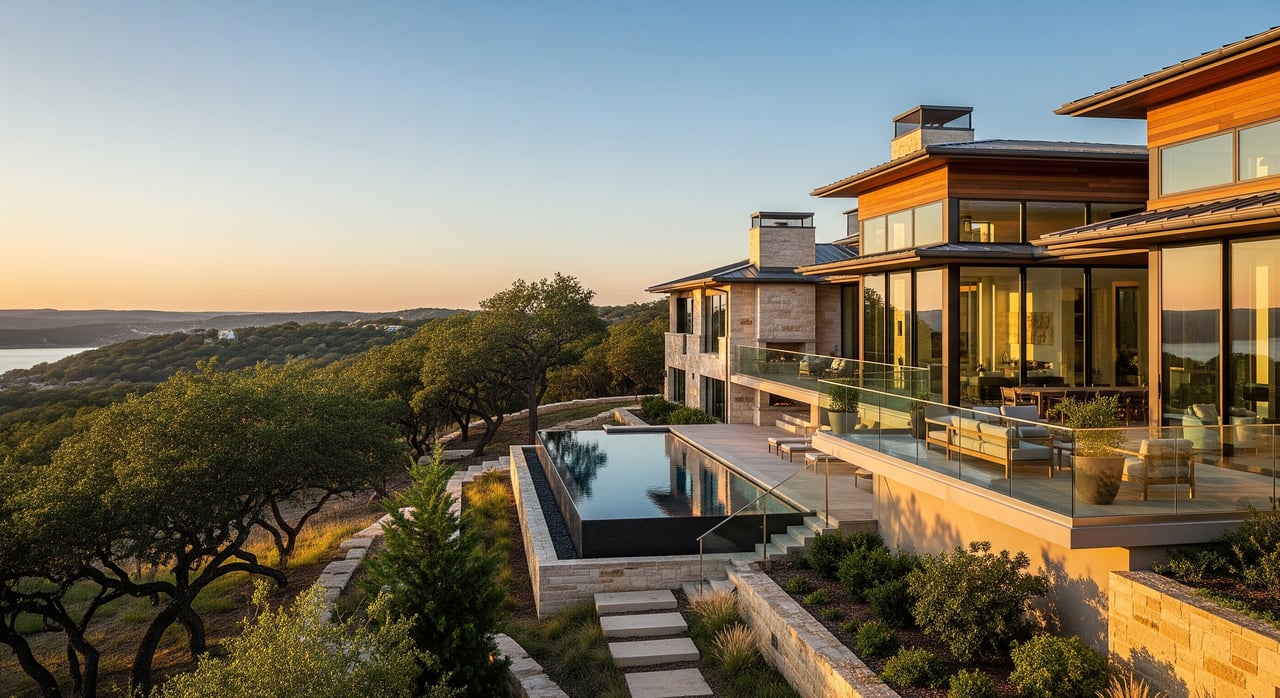
Homes here are designed around the slope. Many lots are steep enough to allow walk-out lower levels, multi-level floor plans, and garages tucked into an uphill street elevation. On the ground, you’ll often see terraces, rock outcroppings, and stair-linked outdoor areas that extend usable space. Lot sizes vary from roughly quarter-acre parcels to larger sites depending on the block.
Benefits you’ll notice
- Views and privacy: Elevated positions often create longer sightlines and more distance from neighbors.
- Architectural interest: Expect stepping floor plans, exposed stone accents, and decks placed to capture outlooks.
- Drainage advantages: When designed correctly, slopes can move water away from foundations.
What to watch for
Hillside yards require intentional drainage and erosion control. Look for well-routed gutters and downspouts, properly graded swales, and stable terraces. Retaining walls are common. Older or unengineered walls may pose maintenance or safety concerns if neglected. Tree management matters too. Mature oaks and cedars add shade and character, but roots, limbs, and wildfire considerations call for periodic assessments.
Before you plan major work, check City of Austin development rules for grading, cut-and-fill, drainage, and protected trees. For steep sites or structural changes, a geotechnical consultation and engineered foundation plan help you avoid surprises. Permits and up-to-date approvals should be part of your due diligence.
Inspection focus for hillside homes
- Drainage patterns near the foundation and signs of standing water
- Condition and engineering of retaining walls and terraces
- Foundation and structure indicators, including cracks or signs of slope movement
- Roof condition and flashings, plus debris buildup where trees are dense
- Tree risk for large specimens near structures
- For remodels or rebuilds: geotechnical report, engineered foundation plan, and approved permits
Homes and lots you’ll find
Architecture and eras
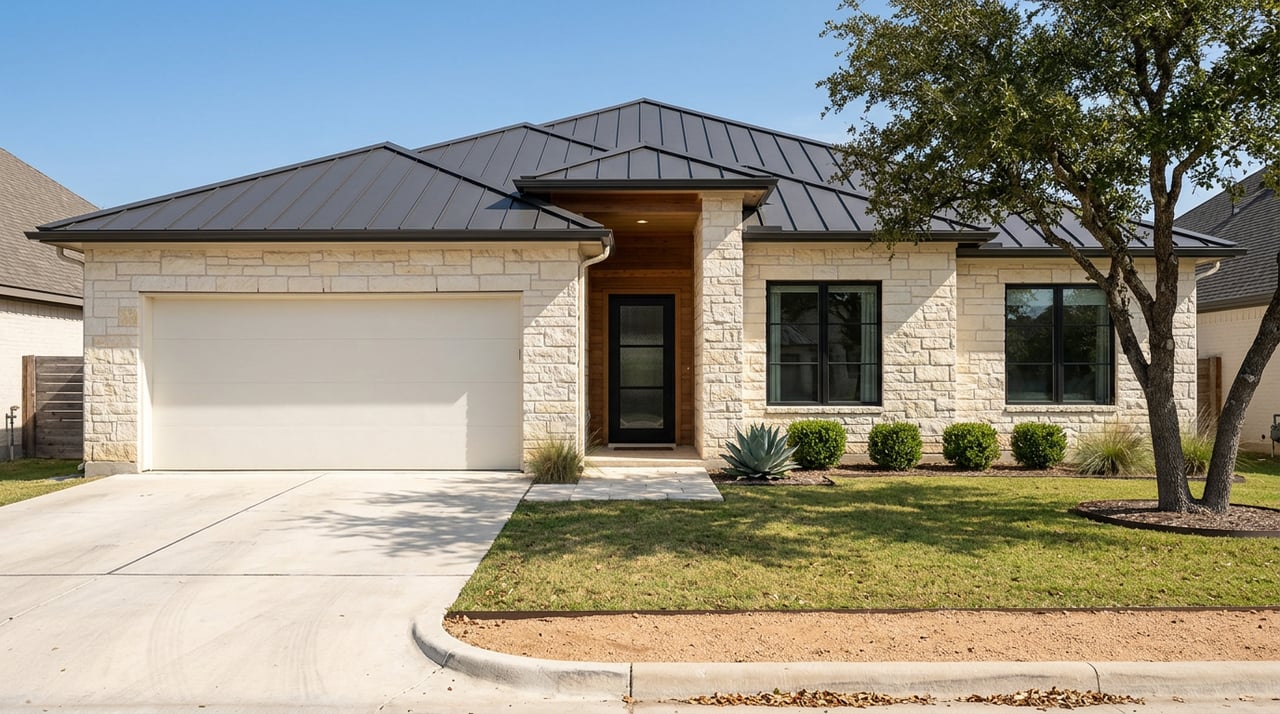
Expect a blend of ranch and mid-century styles, two-story traditional and contemporary updates, and modern custom builds on more dramatic lots. Many Northwest Austin hillside neighborhoods saw development from the 1960s through the 1990s, followed by waves of renovation and occasional teardown-to-rebuild projects on premium sites. Typical features include large windows for views, multi-level floor plans, and significant outdoor hardscape.
Lot sizes and usable yard
Gross lot size can be misleading on a slope. Usable flat yard is often created through terraces and retaining structures. If a big, flat backyard is important, confirm usable square footage rather than relying only on the deeded lot size. Verify dimensions and easements through county appraisal records and surveys.
Market dynamics on a slope
View and privacy premiums are real. All else equal, homes with long-distance views or exceptional privacy tend to command higher prices. Hillside traits can narrow the buyer pool to those comfortable with stairs and sloped yards, yet they also attract buyers seeking outdoor living and distinct architecture. Renovations that open sightlines, modernize systems, and improve drainage and terraces typically add value. Rebuilds are more likely where lot value or views outweigh the existing structure.
Daily life and location advantages
Parks and outdoor access
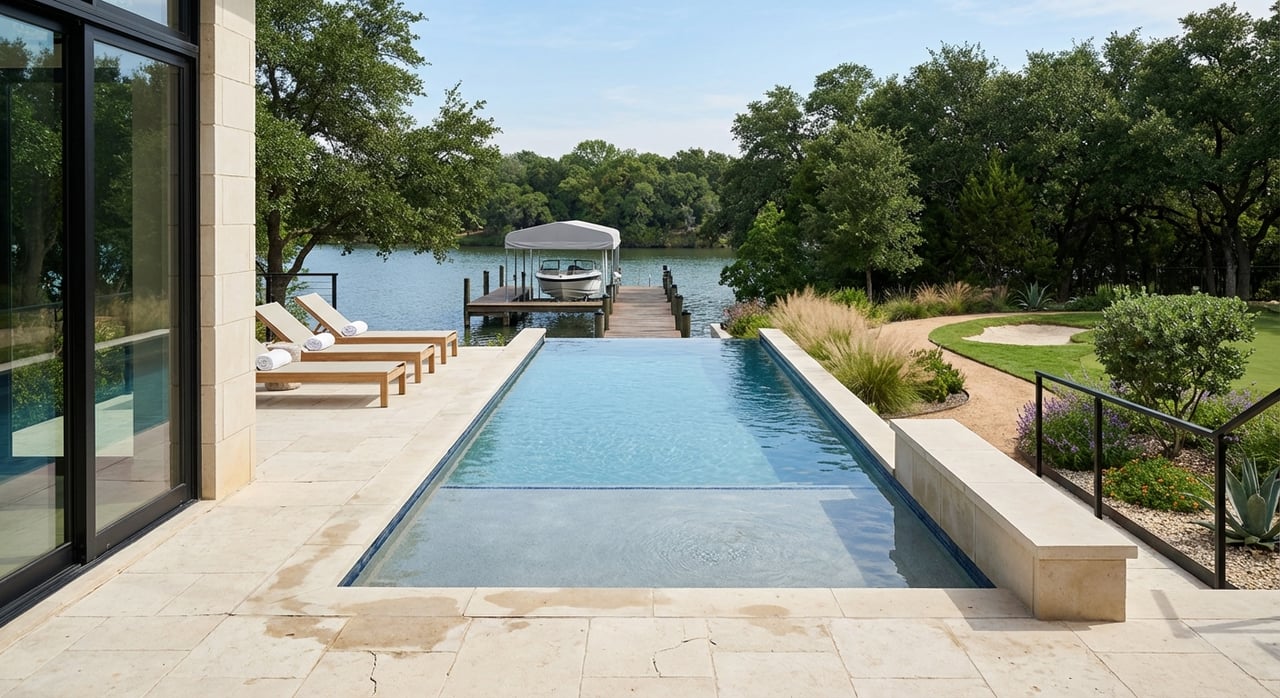
Northwest Austin hillside pockets are often close to greenbelts, local parks, and regional trails. Proximity to larger outdoor destinations, such as parts of the Lake Travis corridor or Bull Creek, can be an added perk for hiking or water recreation. Distances vary across the neighborhood, so checking drive times helps you understand day-to-day convenience.
Retail and conveniences
You have access to several Northwest Austin retail corridors and shopping centers for groceries, pharmacies, dining, and medical services. Exact options depend on your address and the nearest arterials. Running a few sample routes gives a realistic feel for weekly errands.
Commute and routes
Typical commuter routes include Loop 360, MoPac (Loop 1), Route 183, and RM 620. Drive times to Downtown Austin, The Domain, and hospital or tech campuses change with traffic. If commute matters, test morning and evening windows to set expectations.
Utilities and connectivity
Most services in this area are delivered by the City of Austin and Austin Energy, though you should always verify water, wastewater, and sewer connection versus any private systems at the property level. Internet service can vary by micro-area on a hillside. Confirm providers and speeds, especially for remote work. Trash and recycling schedules typically follow city or county service, and any HOA rules may add specifics for containers or pickup.
How to buy smart in Jester Estates
Buying on a slope calls for a focused checklist. Here is a practical sequence:
- Obtain the most recent survey. Verify lot lines, easements, and any retaining wall or terrace easements.
- Order a full home inspection with extra attention to foundation, drainage, retaining walls, and roof systems.
- For steep lots or heavy alterations, include a geotechnical report and engineered foundation plan as a contingency.
- Verify sewer connection versus any private septic system.
- Check City of Austin tree preservation rules and any protected tree limitations.
- Review recent drainage or slope-related permits with City of Austin Development Services.
- Use county appraisal and mapping tools to confirm official lot size and topography context.
Smart strategy also means aligning the home’s layout with your lifestyle. Count the stairs you will use daily, check deck and patio orientation for morning or evening use, and confirm that usable yard fits your needs. If you plan upgrades, consider projects that enhance drainage, open view corridors, and create stable outdoor terraces.
How to sell well on the hillside
Presentation is everything in a view-driven neighborhood. Before listing, address any obvious drainage issues, clean gutters and downspouts, and assess retaining walls for repair or reinforcement. Tree trimming can improve both safety and sightlines. Photography should highlight outlooks and outdoor living. Twilight shots often showcase views and architectural features.
Prepare documentation that builds buyer confidence. Gather permits and engineering records for terraces, retaining walls, and any foundation work. A pre-listing inspection can flag fixable items and help reduce buyer contingencies. Pricing should reflect lot advantages like privacy, exposures, and long-distance views. Current market data from local MLS and board reports will help you lock in the right range.
Next steps
Jester Estates delivers the essence of Northwest Austin hillside living: layered architecture, sloped lots with character and views, and outdoor spaces designed for privacy and connection with nature. Whether you are buying or selling, success here rests on careful evaluation of drainage, retaining structures, usable yard, and permits. Pair that diligence with local market insight and a hands-on plan to present the property at its best.
If you want a broker who blends neighborhood expertise with concierge-level coordination and modern marketing, connect with Chet Smith. Call Chet for a free home consultation and a clear plan for your next move.
FAQs
What does hillside living in Jester Estates feel like?
- Expect multi-level homes, deck-oriented outdoor spaces, and elevated views with mature trees and a close-in Austin location.
How do drainage and retaining walls affect a purchase in Jester Estates?
- They are central to value and safety, so include drainage evaluation and a retaining wall assessment in your inspection and plan for maintenance.
Are Jester Estates homes typically in a floodplain?
- Many hillside sites are outside mapped FEMA floodplains, but you should verify each parcel using official flood maps during due diligence.
Which schools serve Jester Estates addresses?
- School assignments vary by exact address, so confirm boundaries directly with the district’s official lookup tool before you rely on any listing info.
What are typical lot sizes in Jester Estates?
- Lot sizes range from roughly quarter-acre parcels to larger sites, but usable flat yard often comes from terraces rather than gross lot size.
How long do homes stay on the market in Jester Estates?
- Time on market changes with supply, demand, and view premiums, so check the latest local MLS or board reports for current trends before you set expectations.