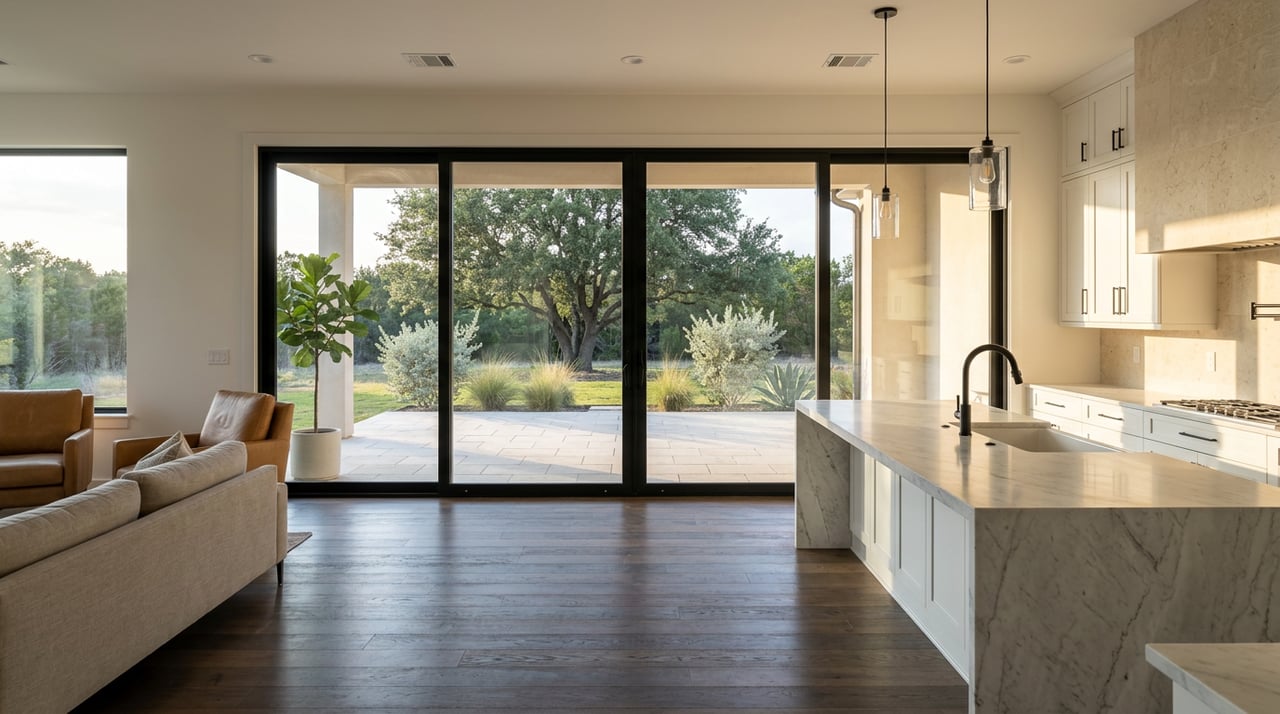
Thinking about trading your Central Austin bungalow for more space and Hill Country views? If you want room to grow without losing access to Austin, Bee Cave might be the right move. In this guide, you’ll see how housing, budgets, commute patterns, and daily routines change when you head west. You’ll also get a simple checklist to make your move smoother. Let’s dive in.
What changes when you move west
You’ll notice more space and newer homes. Many Bee Cave neighborhoods feature larger lots, wider garages, and covered outdoor living that you rarely find in Central Austin infill.
Your routine becomes more car based. Outside the Hill Country Galleria area, most errands are quick drives. You’ll plan commute windows instead of walking to everything.
Master‑planned living is common. Communities often offer pools, trails, and parks, which can keep a lot of your week local and convenient.
Budgets shift by product type. Public trackers showed a late‑2025 Bee Cave home value index near $862k and a January 2026 median sale around $890k, with some months above $1M when luxury closings are heavy. Expect big neighborhood‑level variance.
Housing in Bee Cave: styles and prices
Home types and lots
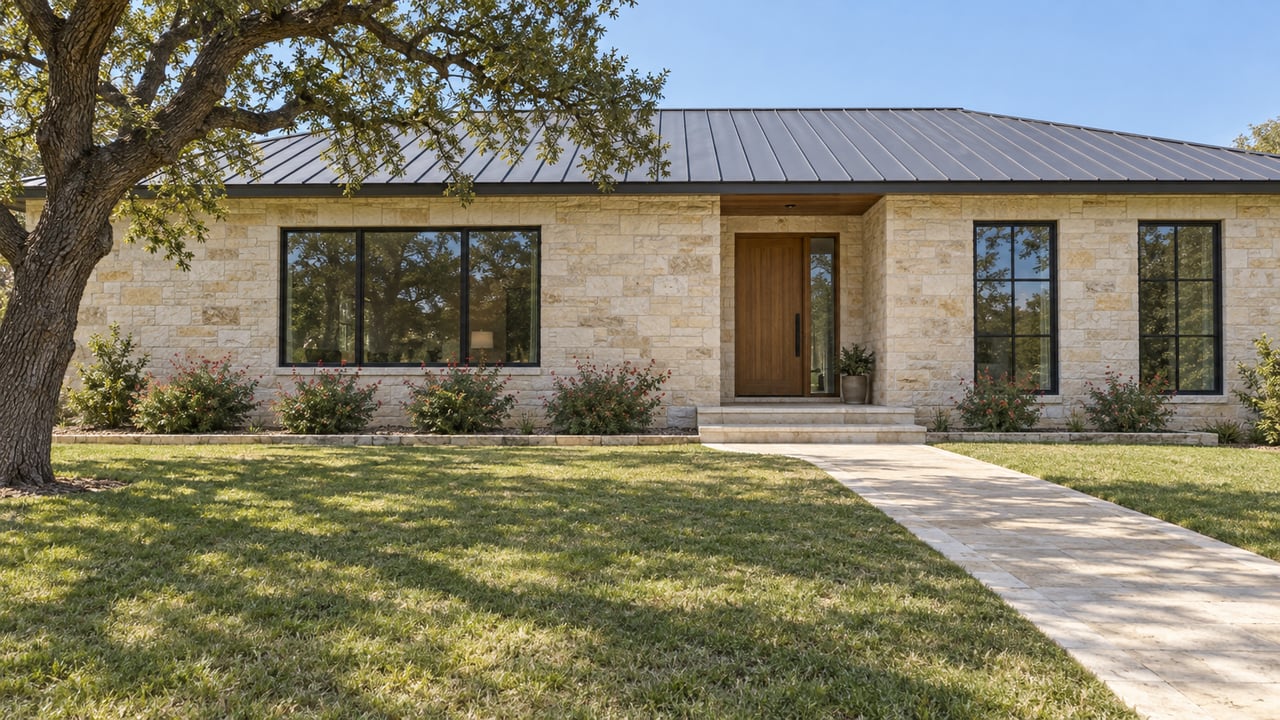
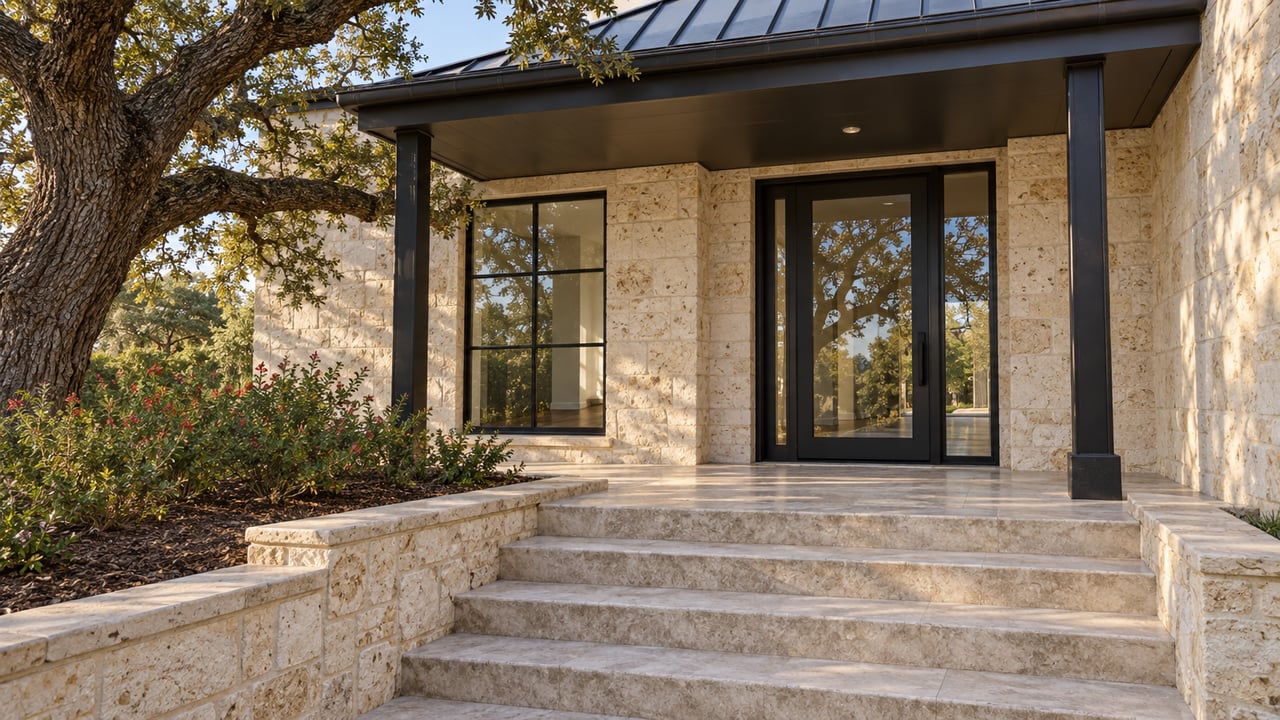
Bee Cave leans toward newer single‑family homes, custom estates, and pockets of townhomes and condos near major retail. Master‑planned communities like Provence highlight stone and stucco exteriors, larger yards, and neighborhood amenities. Lots frequently range from 50 feet wide to 80 feet or more, with estate properties on larger parcels.
Floor plans and features
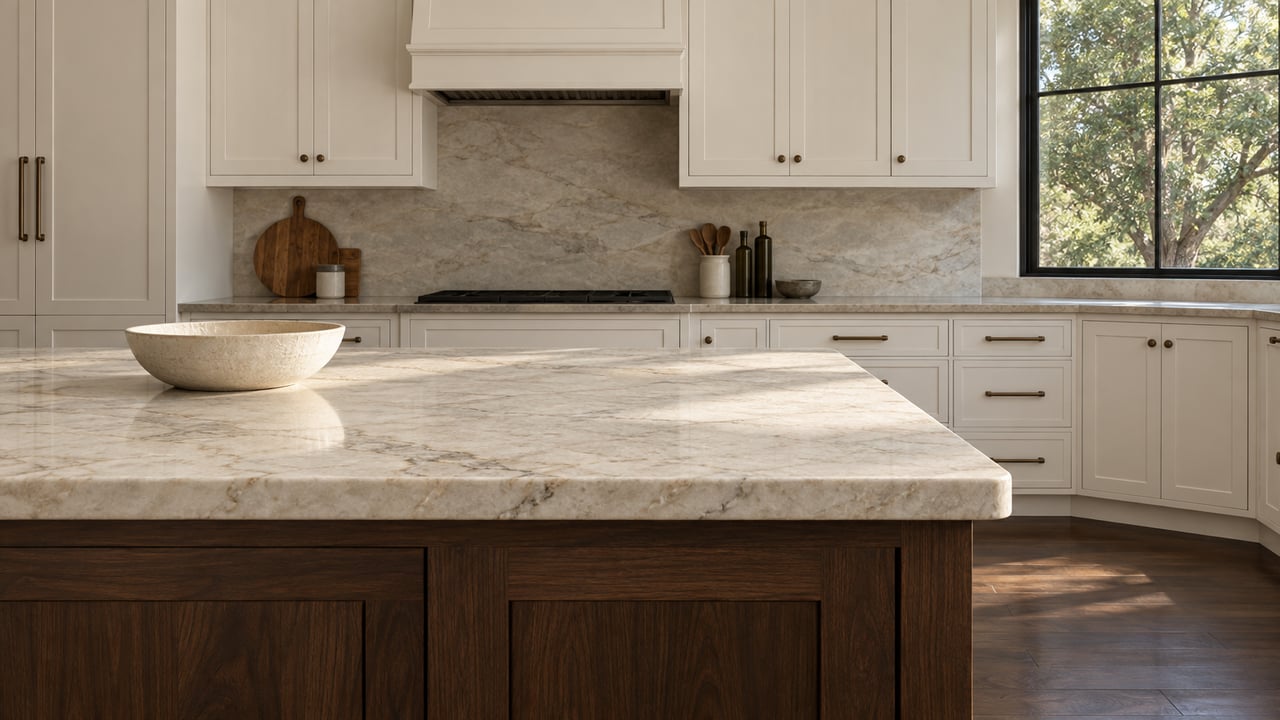
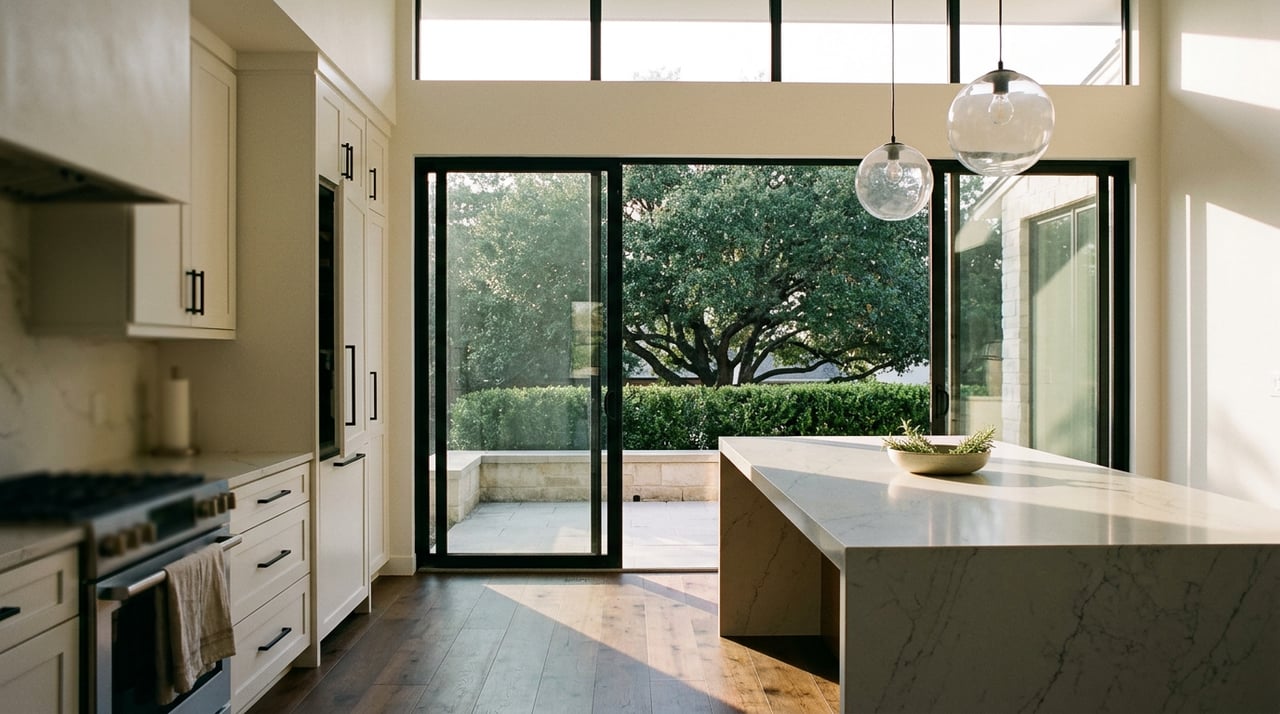
Builders commonly offer 3 to 5 bedroom homes with open kitchens, family rooms, covered patios, and 2 to 3 car garages. Two‑story plans often include game rooms or media rooms. Many floor plans place the primary suite on the main level for everyday convenience. You’ll see sizes from roughly 2,000 square feet up to 4,000 to 6,000 plus for custom builds, as shown in typical offerings from builders like David Weekley Homes.
Price bands and variability
- New construction in master‑planned settings often starts in the mid‑$500s and moves into the $900s and beyond for 2,000 to 3,500 square feet, depending on lot and features.
- Overall medians vary by source and month. Public trackers showed readings in the high $800s to low $900s in late 2025 to early 2026, with luxury activity pushing some months higher.
- Townhomes and condos near retail hubs typically price below single‑family homes and can cluster in the $300k to $600k range, subject to inventory.
Because Bee Cave is a smaller market, a few luxury closings or new‑phase releases can swing medians quickly. Always verify current MLS data when you are ready to write an offer or list your home.
Renting in Bee Cave
If you plan to rent first, expect more 2 to 3 bedroom availability than in Central Austin’s core. Recent snapshots showed average apartment rents around 1,900 to 2,100 dollars depending on bedroom count and community. You can review current trends on RentCafe’s Bee Cave market page and call properties to confirm specials.
Daily life: errands, dining, and events
Hill Country Galleria is your hub
The Hill Country Galleria serves as Bee Cave’s main retail and social center, with shops, restaurants, a cinema, and regular events. The Galleria’s layout and tenant mix make it the city’s most walkable pocket and a natural place to combine errands and dining. See an overview of the center in this Galleria leasing summary.
Groceries, clinics, and daily needs
You’ll find Whole Foods, H‑E‑B, pharmacies, and clinics clustered around the Galleria and Highway 71 corridor, which helps keep weekly errands close to home. Browse a local directory of area services on the Hill Country Portal.
Community programming
Seasonal markets, concerts, and family events frequently use the Galleria plaza and nearby spaces. That programming creates a convenient weekend rhythm without driving into Central Austin.
Commute, walkability, and transit
Commute expectations
Bee Cave sits about 12 miles west of the Austin core, which often translates to a 20 to 40 minute drive depending on route and peak traffic. Confirm the distance and general context on Bee Cave’s overview, then test your exact commute during rush hours.
Walkability and trails
Outside the Galleria corridor, Bee Cave is largely suburban and car oriented. The city invests in parks and trails, which support walking and biking inside neighborhoods and greenbelts. Explore facilities and programming on the City of Bee Cave Parks & Recreation page. For a sense of the Galleria’s pedestrian environment, review the center’s site plan and description.
Transit reality
High‑frequency transit options are limited compared with Central Austin. Most residents rely on cars for daily commuting and errands. If you must use transit, check specific routes and employer shuttles.
Weekends and recreation
Lake life close by
You are on the doorstep of Lake Travis. Marinas, rentals, and waterfront dining are a short drive, including offerings in nearby Lakeway. Explore a representative option at Rough Hollow, and plan for heavier weekend traffic when the lake is busy.
Parks and public art
Bee Cave maintains parks, a sculpture park, and reservable spaces that host local events and family‑friendly activities. See facilities and calendars on the city’s Parks & Recreation page.
Golf, trails, and Hill Country outings
If you like golf or a club‑adjacent lifestyle, courses such as Falconhead and Spanish Oaks are popular nearby choices. Hiking, preserves, and county parks offer low‑density leisure and replace the short urban outings you may be used to downtown.
Smart move checklist
- Test‑drive your commute during peak AM and PM windows from the exact address you are considering. Compare SH‑71, RR‑620, and Mopac connections.
- Build a budget range. Include purchase price bands, HOA fees common in master‑planned neighborhoods, property taxes, and homeowners insurance. You can review amenity‑rich examples like Provence to understand typical HOA structures.
- If you plan to rent, review current averages on RentCafe’s Bee Cave page and call communities to confirm specials.
- Tour model homes and resale listings across a few neighborhoods to compare lot sizes, floor plans, and drive times to the Galleria.
- Map your weekly routine. Plan grocery, gym, and kids’ activities around the Galleria or your community center to minimize trips.
- Read HOA documents before you offer. Understand architectural guidelines, parking rules, and amenity access.
Ready to make the move?
If you want guidance from a local, senior‑led brokerage that pairs hands‑on advice with tech‑forward marketing, let’s talk. Whether you are buying in a master‑planned community or selling in Central Austin to fund the move, you will get clear pricing guidance, vendor coordination, and skilled negotiation every step of the way. Connect with Chet Smith for a straightforward plan tailored to your timeline and budget.
FAQs
How long is the commute from Bee Cave to downtown Austin?
- Bee Cave is about 12 miles west of the core, and typical drives run roughly 20 to 40 minutes depending on route and traffic; always test your exact trip during rush hour.
What home styles are common in Bee Cave?
- You will see newer single‑family homes with stone or stucco, larger lots, and open plans, plus custom estates and some townhomes or condos near major retail.
What should I budget for a Bee Cave home?
- Recent public trackers showed medians in the high $800s to low $900s, with luxury sales pushing some months higher; new construction often starts in the mid‑$500s in master‑planned communities.
Are HOAs common in Bee Cave neighborhoods?
- Yes. Most master‑planned communities include HOAs that fund amenities like pools, parks, and trails; review fees and rules before you offer.
Is Bee Cave walkable like Central Austin?
- Not generally. The Hill Country Galleria area is the most walkable pocket; most errands elsewhere are short car trips, with trails and parks inside neighborhoods.
What are typical rents in Bee Cave?
- Recent averages show roughly 1,900 to 2,100 dollars for apartments, with more 2 to 3 bedroom options; verify current pricing and specials with each property.