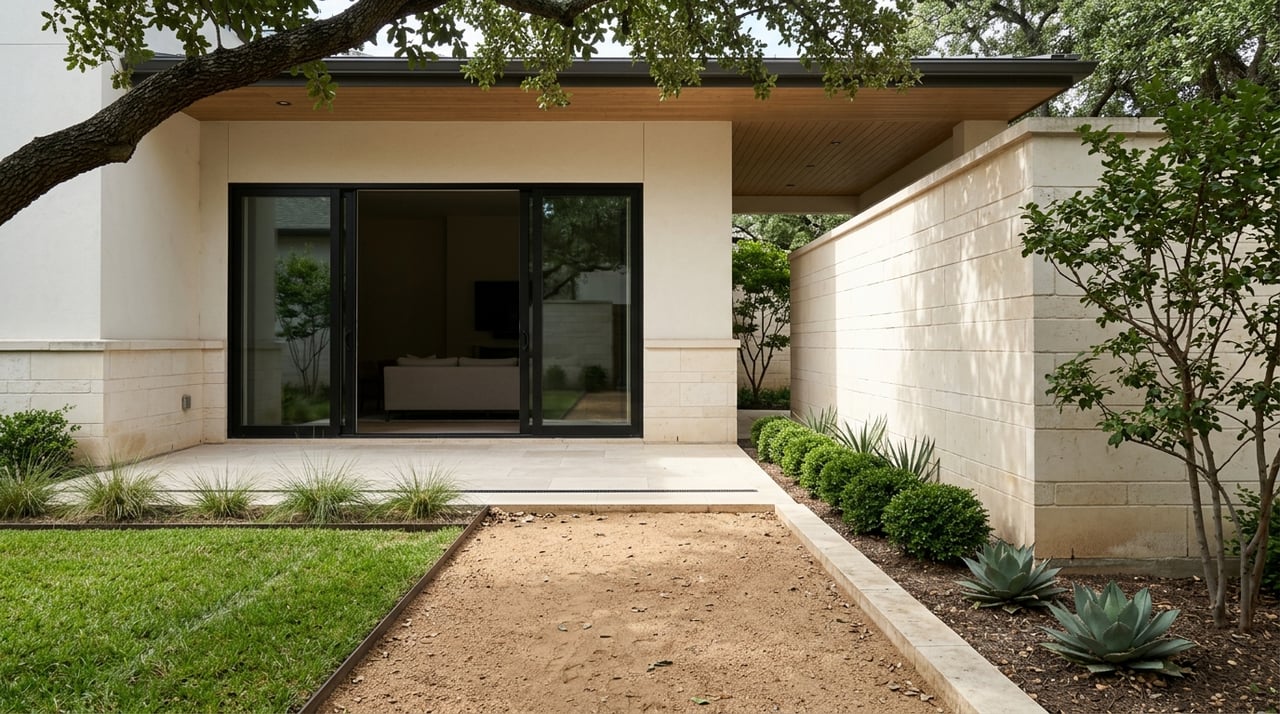
If you want Hill Country scenery without giving up everyday convenience, Bee Cave deserves a close look. For many buyers, the challenge is finding a place that feels connected to Austin while still offering room to breathe, easy errands, and a strong outdoor lifestyle. This guide will help you understand what daily life in Bee Cave actually looks like, from parks and trails to shopping, housing patterns, and commuting. Let’s dive in.
What Bee Cave feels like day to day
Bee Cave describes itself as a gateway community between downtown Austin and the lakes, and that summary fits the lifestyle well. You get a setting shaped by hills, parks, trees, retail, restaurants, and community events rather than a dense urban core.
The city also highlights a strong focus on scenic character and stewardship. Bee Cave is identified as a Platinum Certified Scenic City, an International Dark Sky Community, and a Bee City USA Affiliate, which points to an intentional approach to preserving the area’s look and feel.
That matters when you are choosing where to live. Bee Cave is not just a place to sleep after work. It is a city that puts real attention on open space, recreation, and shared public spaces.
Bee Cave at a glance
For a quick snapshot, the city currently highlights:
- 11 miles of trails completed
- 157 retail shops
- 74 restaurants
- Year-round events
For future homebuyers, those numbers help paint a practical picture. Bee Cave offers more than scenic views. You also have a meaningful mix of everyday amenities close by.
Shopping and errands in Bee Cave
One of the biggest lifestyle advantages in Bee Cave is how many daily needs can cluster into one trip. The strongest example is the Hill Country Galleria at 12700 Hill Country Blvd., a 152-acre shopping center with stores, restaurants, and entertainment.
For many residents, this area functions as a natural community hub. It is where errands, dining, casual meetups, and weekend outings often come together in one place.
The civic side of town is also tied into this central area. City Hall, the Bee Cave Library, and park-related facilities are listed at 4000 Galleria Parkway, and the library is located inside City Hall in the Hill Country Galleria mixed-use development.
That setup makes daily life feel efficient. You may be able to combine a library stop, a civic errand, and shopping or dinner without driving across multiple parts of town.
A community with activity built in
Bee Cave does not read like a community that shuts down outside work hours. The city calendar features recurring activities such as Yoga in the Park and parks volunteer workdays, and residents are also directed to Hill Country Galleria events and the Bee Cave Farmer's Market.
Seasonal programming adds another layer. Bee Cave on Ice, staged behind City Hall, is one example of how public spaces are used for community events throughout the year.
For a buyer, this says something important about local rhythm. Bee Cave offers built-in ways to get out, stay active, and connect with what is happening around town.
Parks and outdoor spaces in Bee Cave
Outdoor living is one of Bee Cave’s clearest strengths. The city park system includes Bee Cave Central Park, Bee Cave Sculpture Park, Bee Cave/Falconhead West Primitive Park, Bee Cave Dog Park, and the Old Bee Cave School House.
Each park supports a different kind of routine. Instead of relying on one large signature destination, Bee Cave spreads recreation across several public spaces that serve walking, play, art, and dog-friendly use.
Bee Cave Central Park
Bee Cave Central Park covers 50 acres and includes pavilions, playscapes, and restrooms. It works well for casual walks, outdoor play, and everyday time outside without needing a long drive.
The park also helps anchor the city’s broader trail network. If you picture your routine including a morning walk, a weekend family outing, or a simple place to reset outdoors, Central Park is a major lifestyle asset.
Bee Cave Sculpture Park
Bee Cave Sculpture Park is a 7-acre park with permanent and rotating sculptures, a spring-fed pond, native plants, and free wireless access. It offers a different feel from a standard neighborhood park.
This is one of the details that helps Bee Cave stand out. The city’s emphasis on arts and culture shows up in real, usable public space, not just in planning language.
Dog park and primitive park options
If you have pets, the Bee Cave Dog Park includes separate fenced areas for small and large dogs. That can be a meaningful convenience if regular dog exercise is part of your weekly routine.
For buyers who want something less polished and more natural, the Bee Cave/Falconhead West Primitive Park offers a more rugged experience. Its trail is described as suitable for hiking and semi-technical mountain biking.
Trails and connectivity
Trails are a major part of the Bee Cave lifestyle story. The city says residents can bike, hike, walk, or run from Falconhead Boulevard south along RM 620 to Central Park and onward to the Galleria on a 1.5-mile multi-use trail.
That is useful in everyday terms, not just on paper. It creates a local option for moving between neighborhoods, parks, and the central retail area on foot or by bike.
Central Park also has a perimeter trail that is just over 1 mile long and designed for walking, running, or biking. That gives residents an easy loop for exercise without needing to leave town.
The city’s Connectivity Plan adds to this picture. It describes an Inner Loop intended to connect the Hill Country Galleria and the Shops at the Galleria while also linking to Bee Cave Sculpture Park.
For homebuyers, the key takeaway is simple. Bee Cave’s outdoor life is connected, not isolated. Parks, trails, art, and civic spaces work together to shape how people use the city.
Housing options and neighborhood patterns
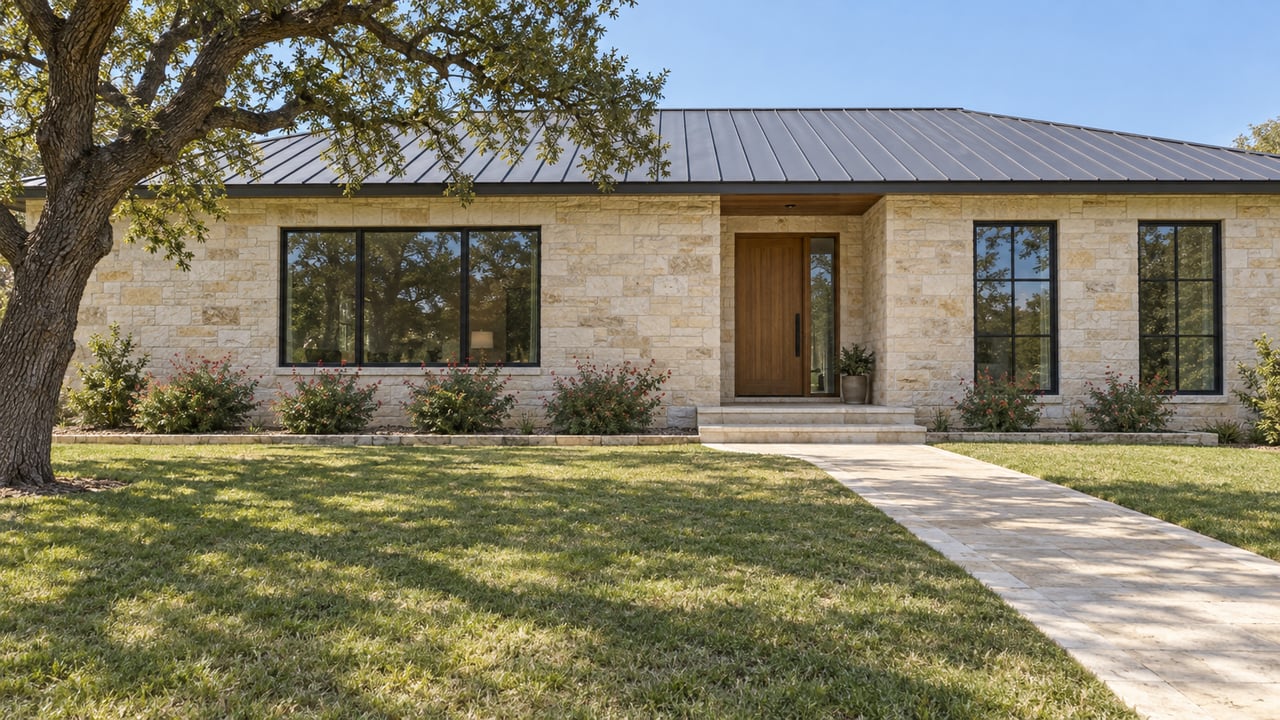
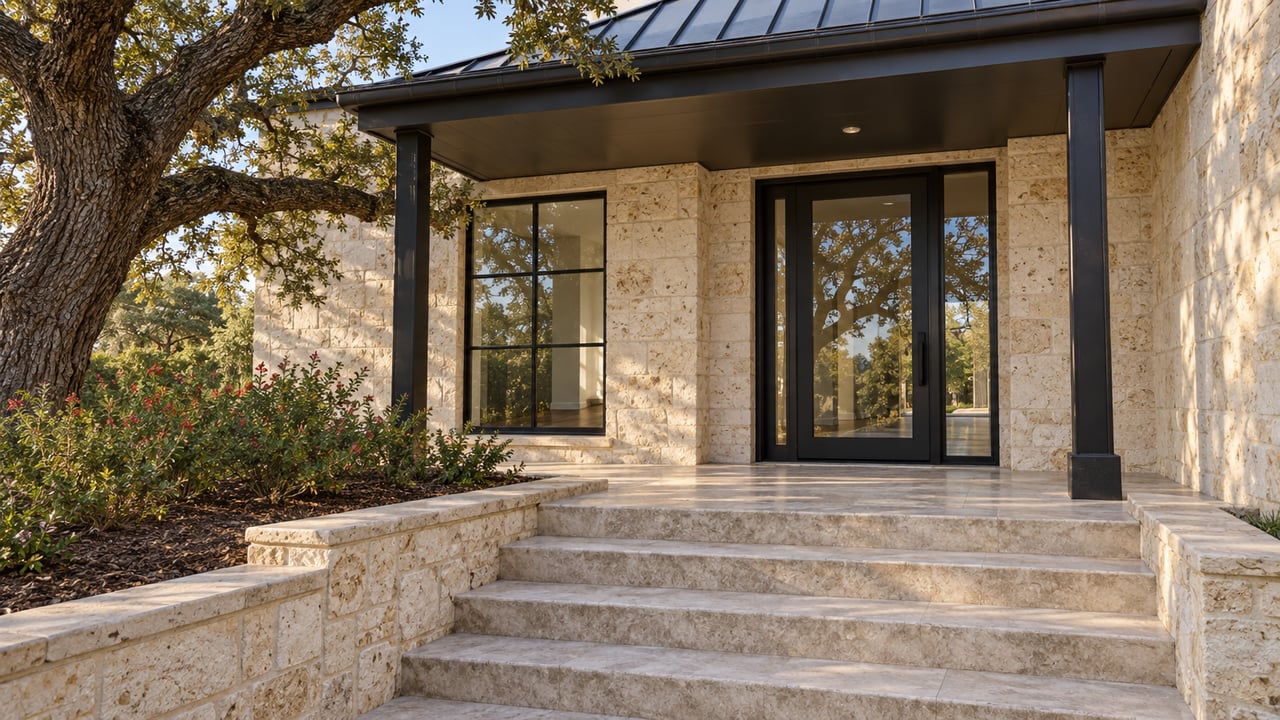
Bee Cave offers more than one type of home environment. According to the city’s comprehensive plan, suburban neighborhoods include Uplands, Spanish Oaks, Lake Pointe, Falconhead, Falconhead West, and Bella Colinas.
The same plan identifies urban neighborhoods such as Ladera, the Grove, Cottages at Spillman Ranch, Wildwood, Canyonside, and Paseo at Bee Cave Apartments. This matters because it shows that Bee Cave is not limited to one housing format or one style of daily living.
What buyers can expect
In practical terms, you may find larger suburban or estate-style homes in some areas and more compact, lower-maintenance options in others. The comprehensive plan says urban neighborhoods can include single-family detached and attached homes, patio homes, town homes, zero-lot-line homes, condominiums, and multi-family buildings.
That variety can help if your priorities are changing. You may be looking for more space, less maintenance, proximity to retail, or easier access to work routes.
The city also states that apartments and other urban housing should be placed along major thoroughfares and near retail, office, and service uses to reduce travel times and traffic congestion. For buyers, that gives useful context about how Bee Cave is planned and why certain home types appear in certain locations.
Commuting from Bee Cave
Bee Cave is best understood as a road-connected Hill Country community. Its core corridors include SH 71, RM 620, Bee Caves Road, and FM 2244, and the city treats SH 71 and RM 620 as urban corridors designed for retail, mixed-use activity, and safe pedestrian movement.
That means you should not expect a fully walk-everywhere setup across the whole city. At the same time, the local trail system allows some shorter trips in the central core to happen on foot or by bike, especially between Falconhead, Central Park, and the Galleria.
The Bee Cave Public Library policy describes the city as eight miles west of Austin, and the city places Bee Cave between downtown Austin and the lakes. For many buyers, that is the sweet spot.
You stay connected to Austin job centers and lake-area recreation while living in a place with its own identity, pace, and Hill Country setting.
Why Bee Cave appeals to future homebuyers
Bee Cave tends to appeal to buyers who want balance. You can have access to shopping, restaurants, civic services, events, and trails without living in a dense urban environment.
You also get a city that appears intentional about its public realm. Scenic standards, dark sky recognition, park investment, and trail connectivity all support a lifestyle that feels cared for and well organized.
If you are comparing Bee Cave with other Greater Austin locations, think about your daily routine. If you want convenience, outdoor access, and a community feel that blends Hill Country character with practical amenities, Bee Cave may be a strong fit.
When you are ready to sort through neighborhoods, compare home styles, or understand how Bee Cave fits your goals, call Chet for a free home consultation with Chet Smith.
FAQs
What is daily life like in Bee Cave for homebuyers?
- Bee Cave offers a mix of Hill Country scenery, retail convenience, restaurants, community events, parks, and trails, with much of daily activity centered around the Galleria area and nearby public spaces.
What shopping and dining options are available in Bee Cave?
- The city highlights 157 retail shops and 74 restaurants, and the Hill Country Galleria serves as a major hub for shopping, dining, entertainment, and everyday errands.
What parks and trails can you use in Bee Cave?
- Bee Cave has several public spaces, including Bee Cave Central Park, Sculpture Park, the Dog Park, and the Falconhead West Primitive Park, along with trail connections such as a 1.5-mile multi-use trail and a just over 1-mile Central Park perimeter trail.
What types of homes are found in Bee Cave?
- Based on the city’s comprehensive plan, Bee Cave includes suburban neighborhoods with larger homes as well as urban neighborhoods with detached homes, attached homes, patio homes, town homes, zero-lot-line homes, condominiums, and multi-family buildings.
What is commuting like from Bee Cave to Austin?
- Bee Cave is a road-connected community linked by SH 71, RM 620, Bee Caves Road, and FM 2244, and it is described as being eight miles west of Austin, making it connected to Austin while maintaining its own Hill Country identity.