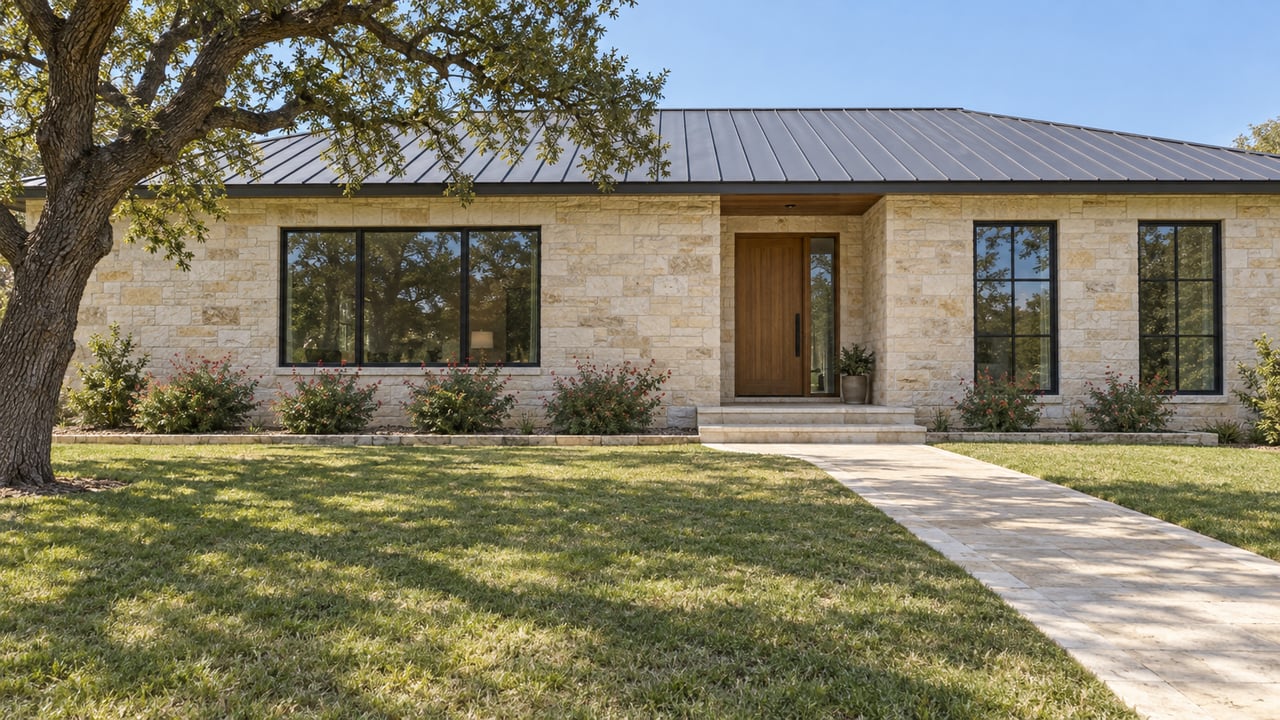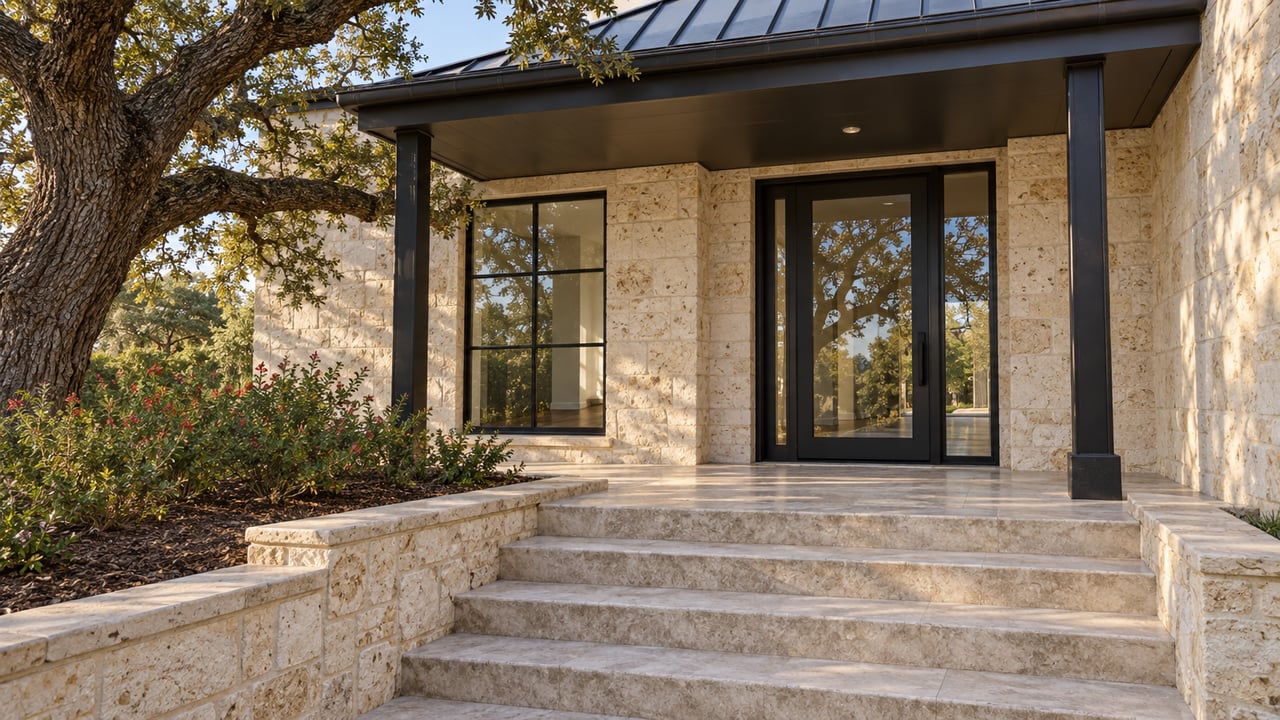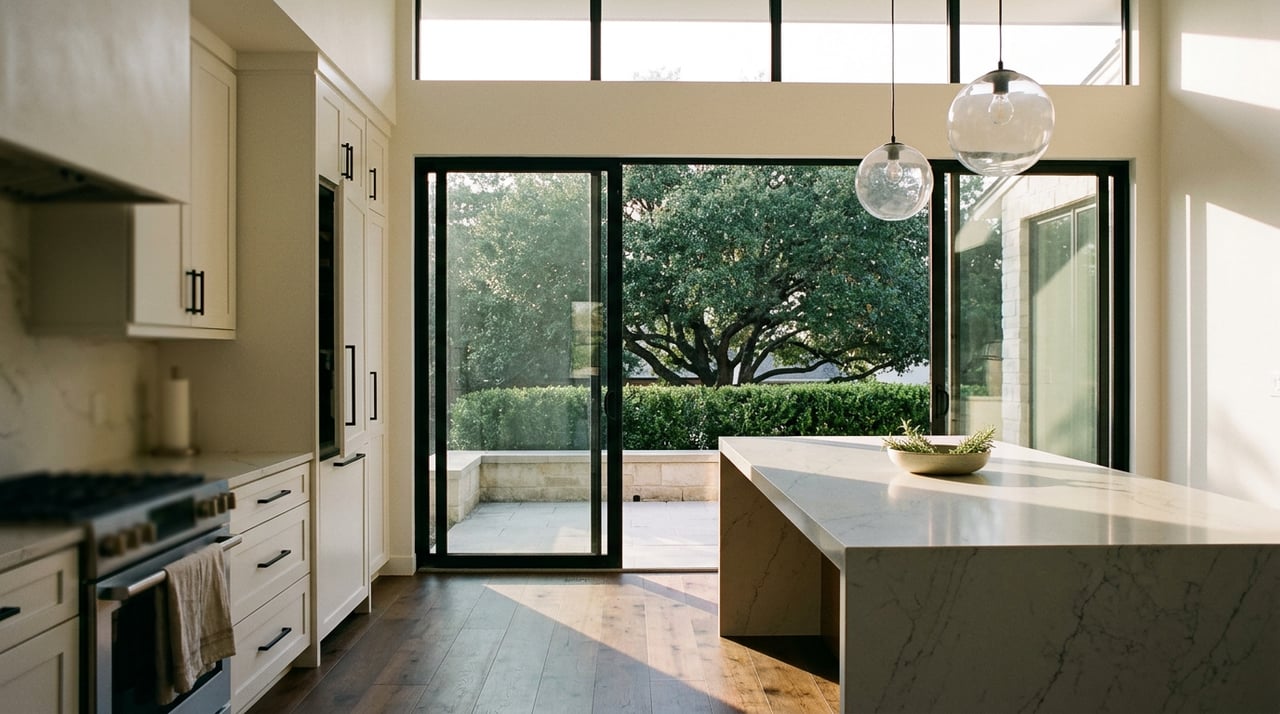
If you price a Lakeway home by a citywide average alone, you can miss the mark by a wide margin. In this market, a true waterfront property, a lake-view home, and an interior off-water home can sit in very different pricing lanes, even when their square footage looks similar on paper. If you want to sell with confidence, you need a strategy built around how buyers actually compare homes in Lakeway. Let’s dive in.
Why Lakeway Pricing Is Different
Lakeway is not a one-size-fits-all market. The city describes itself as a resort community on the south shore of Lake Travis, with marinas, parks, trails, and a strong lake-lifestyle identity. That means buyers often place value on more than bedrooms, baths, and interior finishes.
In practical terms, your price may be shaped by water position, view quality, outdoor living, and recreation access just as much as your home’s square footage. That is especially true in a place like Lakeway, where lifestyle is part of the purchase decision.
Start With the Right Market Context
Broad market data can help set the stage, but it should not be the final word on your list price. Realtor.com reports 338 homes for sale in Lakeway, a median listing price of $850,000, a median price per square foot of $308, and median days on market of 47 days. Redfin shows a March 2026 median sale price of $678,000, down 25.1% year over year.
Those numbers are useful because they show a gap between asking prices and closed prices. They also suggest that market speed and seller expectations do not always line up. In a buyer-leaning environment, that gap matters.
At the Austin metro level, Redfin reported that homes going under contract in December 2025 took a typical 106 days, with 128% more sellers than buyers. For Lakeway sellers, that wider backdrop reinforces one key point: your first list price needs to be credible.
Price Waterfront, View, and Interior Separately
The biggest pricing mistake in Lakeway is treating all homes as if they compete with each other equally. They do not. Buyers typically sort homes into distinct groups based on water access and view quality.
Waterfront Homes
True waterfront homes usually command a meaningful premium, but that premium is not automatic or uniform. A recent example at 105 Edgewater Cove closed for $1,766,167 on 4,308 square feet and was marketed with panoramic Lake Travis views from every room plus a heated pool. That sale supports the idea that direct water position and strong lifestyle features can push value well above the city’s broader median figures.
If your home sits on the water, buyers will look closely at how usable that waterfront setting really is. They will not value every shoreline lot the same way.
Lake-View Homes
Lake-view homes can perform strongly, but they are usually not priced the same as true waterfront properties. At 137 Firebird Street, a lake-view home closed for $1,395,000 on 4,458 square feet, with a long back deck and elevated views of Lake Travis. That is a strong result, but still a separate tier from many direct waterfront opportunities.
This is where sellers can get overly optimistic. A great view can add significant value, but a view alone does not usually erase the pricing difference between seeing the lake and being on the lake.
Off-Water and Interior Homes
Interior Lakeway homes often appeal to buyers who want the location, amenities, and lifestyle of the community without paying a waterfront premium. Recent examples include 113 Comet, which sold for $745,000 on 2,032 square feet, and 1006 Palos Verdes, which sold for $774,900 as a renovated single-story ranch.
These homes show that off-water properties can still sell well when condition and location are strong. They also show why broad city medians can be misleading if you are trying to price a specific home.
What Really Moves the Price
Once you identify your home’s category, the next step is adjusting for the features buyers actually care about. In Lakeway, several factors can shift value in a meaningful way.
Water Access and Lake Levels
If your home is waterfront, buyers will want to know more than whether your lot touches the lake. Lake Travis is a managed reservoir, and LCRA says it fluctuates. On May 19, 2026, Lake Travis was at 664.04 feet above mean sea level, while full for water-supply purposes is 681 feet.
That matters because LCRA also notes that some public boat ramps close when the lake is below 667 feet. So if you are pricing a waterfront home, you should account for current shoreline usability, dock access, and how the property functions at current lake levels. Buyers are often paying for usable water access, not just a label.
Dock Legality and Condition
A dock can be a major pricing factor, but only if it is lawful and functional. LCRA states that residential docks on the Highland Lakes must meet safety standards, and that owning lakefront property does not automatically guarantee dock rights. Owners may need to verify submerged-land ownership and other permissions.
For sellers, this means a dock should never be treated as a vague bonus feature. The legal status, condition, and usability of that dock can affect what buyers are willing to pay.
Views and Lot Shape
Not all views carry the same value. Buyers respond differently to broad panoramic water views, partial views, seasonal views, and views that may be interrupted by lot orientation or topography. Lot shape and frontage also matter because they influence privacy, outdoor layout, and how the home connects to the lake.
That is why two homes with similar square footage can still land far apart on price. In Lakeway, the setting often changes the math.
Updates and Outdoor Living
Lakeway buyers often shop for a lifestyle package, not just a floor plan. Recent listings and sales repeatedly emphasize features like heated pools, long rear decks, covered patios, and indoor-outdoor flow. Waterfront and view homes especially benefit when the exterior spaces help buyers enjoy the setting.
If your home has been updated and your outdoor areas are well-designed, those details may support a stronger price. If those spaces feel dated or underused, buyers may discount accordingly.
How to Read Comps the Right Way
The strongest pricing strategy starts with like-for-like comparisons. In Lakeway, that means comparing waterfront homes to other waterfront homes, lake-view homes to other lake-view homes, and interior homes to other interior homes.
If you skip that step and rely too heavily on a citywide median or an active listing nearby, you risk setting a price that the market will reject. Buyers in this area notice the difference between direct water access, elevated views, and standard interior locations very quickly.
You should also lean more heavily on sold comps than on active listing prices. In a slower market, list prices can reflect seller hope more than buyer behavior. Closed sales give you a much better picture of what buyers have actually agreed to pay.
Why Overpricing Costs More in a Buyer-Leaning Market
When sellers outnumber buyers, an aggressive list price can work against you. Redfin’s Austin-area data showed a buyer-leaning market, with more inventory pressure and longer contract timelines. In that kind of setting, buyers tend to compare harder, negotiate more, and wait for adjustments.
For your Lakeway home, that means the market may punish wishful pricing faster than you expect. A home that starts too high can linger, require reductions, and lose momentum. A data-backed price often protects both exposure and negotiating position.
Does Seasonal Timing Help?
Timing can help, but it cannot rescue an unrealistic asking price. Realtor.com identified April 12 through 18, 2026 as the best national week to list, citing 16.7% more views and homes selling about nine days faster than average. For Lakeway, that seasonal pattern is worth noting because lake lifestyle and outdoor recreation tend to resonate strongly in spring.
Still, the real takeaway is balance. If your timing is flexible, spring may offer stronger visibility, but pricing still needs to reflect the market that exists today, not the one you hope returns.
A Smarter Lakeway Pricing Approach
If you are preparing to sell in Lakeway, a sound pricing plan usually follows a few simple rules:
- Identify your true category: waterfront, lake-view, or off-water
- Use sold comps first: especially recent sales with similar water position and condition
- Adjust for usability: including dock status, shoreline access, and current lake level reality
- Price the lifestyle package: outdoor living, pool, deck space, and view experience matter here
- Stay disciplined: a defensible first price is often stronger than a high starting point followed by cuts
That kind of approach is especially important in a segmented market like Lakeway. The right number is rarely pulled from a broad median alone.
If you want a price that matches how Lakeway buyers actually think, local context matters. A broker who understands the difference between a waterfront premium, a view premium, and a strong off-water position can help you avoid costly guesswork. When you are ready for a strategic pricing conversation, Chet Smith can help you evaluate your home with a practical, data-driven approach.
FAQs
How should you price a waterfront home in Lakeway?
- You should compare it to recent waterfront sales first, then adjust for dock usability, shoreline access, lake level conditions, view quality, lot shape, and outdoor living features.
Is a lake-view home in Lakeway worth the same as a waterfront home?
- Usually no. Recent Lakeway sales suggest lake-view homes and waterfront homes often sell in separate price tiers, even when both offer strong square footage and amenities.
Do lake levels affect pricing for Lakeway waterfront homes?
- Yes. Because Lake Travis fluctuates, current water level, dock access, and shoreline usability can affect how buyers view the home’s real-world value.
Can an off-water home in Lakeway still command a strong price?
- Yes. Interior homes can still sell well when they offer a strong location, updated condition, and appealing outdoor spaces, but they generally compete in a different tier than lake-view or waterfront properties.
Should you wait until spring to list a home in Lakeway?
- Spring may bring stronger visibility, especially in a lake-oriented market, but timing alone will not overcome an overpriced listing. Your home still needs to be positioned correctly for current buyer demand.