Hunting for a rental that can outperform the market in Cedar Park or Leander? You’re not alone. Prices have cooled from pandemic peaks while days on market have stretched, which can create room for negotiation and value-add plays. In this guide, you’ll learn where to look, how to run quick deal screens, what renovations move the rent needle, and which local rules to plan around. Let’s dive in.
Why Cedar Park and Leander now
Williamson County’s late-2025 snapshot showed rising inventory and longer marketing times, with a county median sale price near $420,000 and roughly 91 days on market. At the city level, Cedar Park hovered around a $495,000 median with longer marketing times, while Leander sat in the roughly $410,000 to $480,000 range. Advertised rents in both cities often fall in the low $2,000s, which means many single-family properties do not meet the 1% rule out of the gate. That is exactly why targeted value-add strategies matter here.
Population growth remains a key support. Williamson County added about 25,800 residents from 2023 to 2024, roughly 3.7% year over year, reinforcing long-term housing demand even as near-term sales slowed. You can review the recent county population trend on the county growth overview from USAFacts.
New permits in 2024 ran below pandemic highs, which has influenced contractor availability and pricing. You can track permit authorizations in the Austin area on the Federal Reserve’s series for private housing permits in Williamson County on FRED. Commute access also continues to improve. The 183A Toll corridor and the latest extension support demand from professionals commuting to North Austin; see updates on CTRMA’s 183A traveler page.
Where value-add deals hide
Single-family homes with under-market finishes
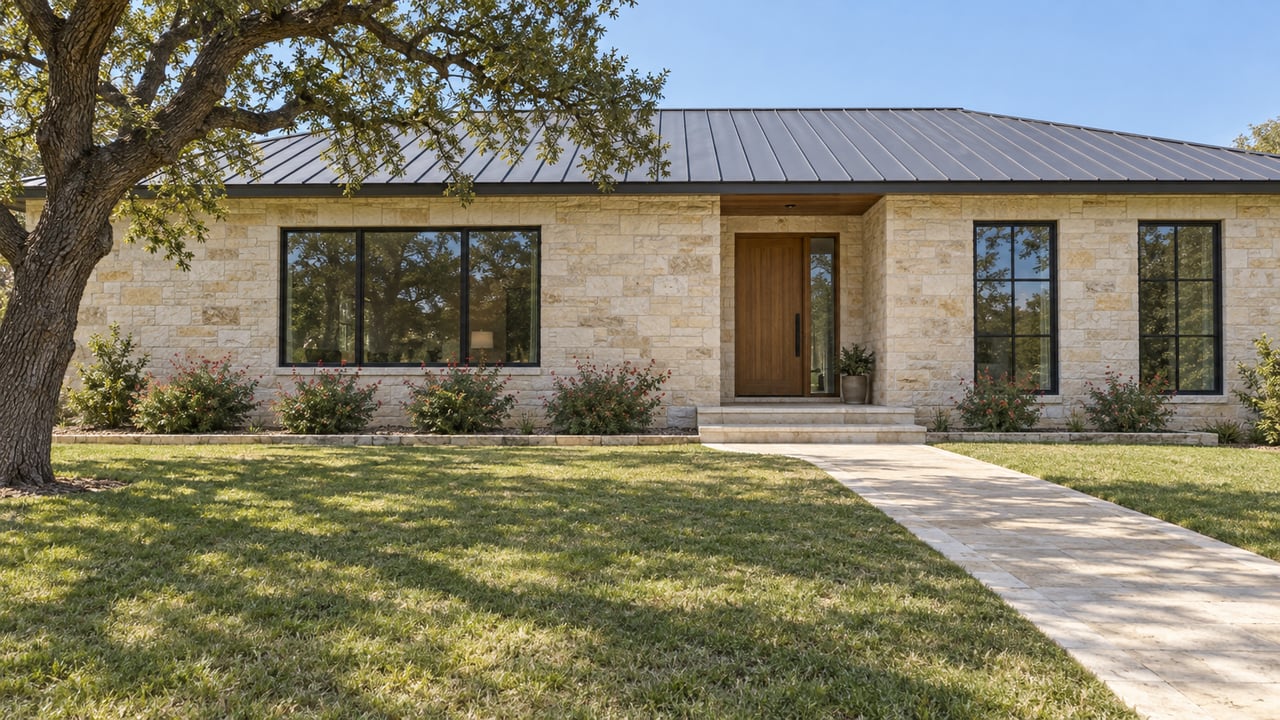
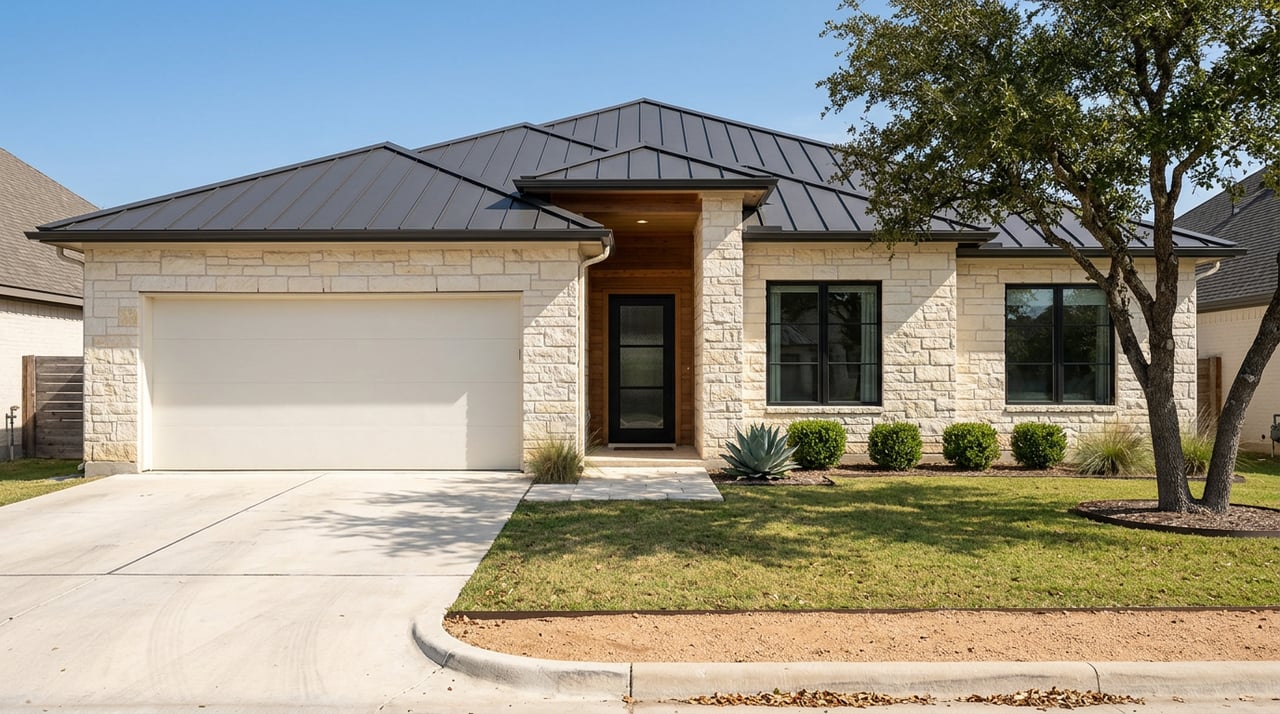
The most common investor targets are 3 to 4 bedroom homes with 2 or more baths in 1990s to 2010s subdivisions. In Cedar Park, look for aging finishes in neighborhoods like Ranch at Brushy Creek, Buttercup Creek, and Forest Oaks. In Leander, homes in areas such as Crystal Falls, Mason Hills, and Savanna can reward light-to-moderate updates. Family-friendly layouts with a 2-car garage, open kitchen, and a fenced yard are ideal for long-term tenants.
Small multifamily for multiple rent streams
Duplexes, triplexes, and fourplexes are less common here than single-family options, but they do appear. They can deliver better gross rent multipliers by stacking multiple rents on one land basis. Zoning and HOA rules vary by pocket, so verify what is allowed before underwriting improvements. You can review Leander’s code chapter overview on Zoneomics and then confirm details with the city directly.
Amenities that lift rentability
Proximity to parks, community centers, and regional anchors like the H‑E‑B Center and the emerging Bell District can help with absorption. Many tenants also value access to Leander ISD campuses and nearby youth sports. For commuters and hybrid workers, drive time to North Austin employers via 183A is a common filter when comparing neighborhoods.
A quick deal screen that works here
Core metrics to calculate
- Gross Rent Multiplier (GRM): price divided by annual gross rent. Lower tends to be better, but it varies by submarket. See the GRM overview from JPMorgan for context.
- The 1% rule: a simple screen where target monthly rent is about 1% of purchase price. In higher-priced Austin suburbs, this is rare, so use it as a filter, not a mandate. Learn more on Investopedia’s 1% rule explainer.
- Cap rate: estimate net operating income after realistic operating expenses, then divide by price. Many single-family assets here pencil in the low single digits unless you buy at a discount or add rent through improvements.
Cedar Park example math
If a home near the city median of about $495,000 can achieve roughly $2,150 in monthly rent, annual gross rent is about $25,800. GRM would be roughly 19.2. Using a simple 50% expense placeholder, NOI would be about $12,900, which implies a cap rate near 2.6%. This simple snapshot shows why strategic value-add work or a better basis is often needed to hit return goals.
Leander example math
At a median price in the $410,000 to $480,000 range and a typical advertised rent around the low $2,000s, you often see GRMs near or above 20 on single-family properties. This is why some investors focus on duplexes or small multifamily when available, or they target single-family homes with clear renovation upside and longer days on market.
Read DOM to spot value
Days on market is a practical signal. Properties well above the neighborhood median DOM, with multiple price reductions or relisting history, can point to motivation or deferred maintenance that supports negotiation. DOM definitions vary by platform, so ask for full MLS history to confirm cumulative days and price changes. For a quick primer on the term, see the days on market glossary.
Pro tip: DOM can reset when a listing is withdrawn and relisted. Treat it as one data point, not a decision by itself. Pair it with property condition notes, inspection feedback, and neighborhood comps.
Sourcing on- and off-market
- On-market: MLS searches filtered for high DOM, active price reductions, and homes with dated interiors. Ask about pocket listings and coming-soon opportunities.
- Off-market: expired or withdrawn listings, probate or estate sales, direct mail to absentee owners, and investor meetups. For a primer on market analysis and sourcing frameworks, review this BiggerPockets market analysis guide and adapt it to local data.
Renovations that move the rent needle
Fast wins for family renters
- Interior paint in modern neutral tones
- Durable LVP flooring in living areas and bedrooms
- Lighting and plumbing fixture updates
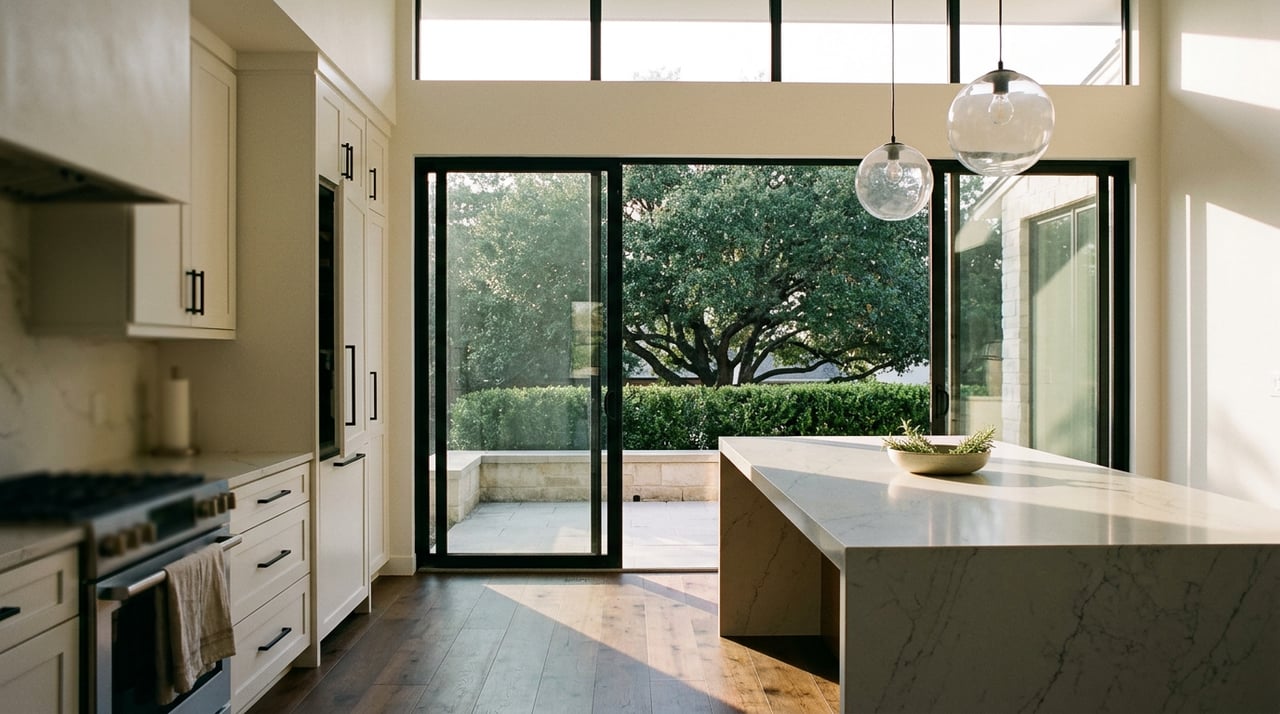
- Kitchen refreshes: cabinet paint or refacing, new hardware, quartz counters, mid-range appliances
- Bathroom refreshes: new vanities, tops, mirrors, lighting, and tile regrout
- Outdoor usability: covered patio, privacy fencing, low-maintenance landscaping
- Flex space: staging or light rework to create a usable office nook where code allows
Budget ranges and ROI context
Costs vary by scope and finish level, but Austin-area estimator ranges and Cost vs. Value studies help set expectations. For local pricing context, see regional guidance from Estimator Texas and ROI trends from JLC’s Cost vs. Value 2025. Always verify with three local bids.
| Scope level | Typical projects | Ballpark budget | Typical timeline | Rent impact |
|---|---|---|---|---|
| Cosmetic | Paint, LVP, fixtures, minor landscaping | $8,000–$25,000 | 1–3 weeks | Modest lift and faster lease-up |
| Moderate | Kitchen refresh or mid-range bath, counters, appliances, lighting package | $25,000–$60,000 | 3–8 weeks | Noticeable rent increase and broader tenant appeal |
| Heavy (selective) | Full kitchen or multiple baths, roof/HVAC/WH replacement, limited layout tweaks | $60,000–$120,000+ | 6–16 weeks | Highest rent potential but needs careful underwriting |
Notes: Schedule and cost depend on permits, trade availability, and site conditions. Build in a 10% to 20% contingency for time and cost.
Permits, licensing, and managers
Permits to expect
Both cities require permits for structural, electrical, plumbing, and HVAC work. Plan for inspections at major milestones and include permit lead times in your schedule. You can review process details on Leander’s Development Services page. Cedar Park maintains similar rules and contractor registration requirements.
Verify trade licenses
Texas handles specialized trade licensing at the state level. Electricians and HVAC contractors are licensed through TDLR; verify status on the TDLR electrician licensing page. Plumbers are licensed through the Texas State Board of Plumbing Examiners; confirm credentials before work begins. Require certificates of insurance, written scopes, milestones tied to inspections, and lien waivers.
Property management rules in Texas
If a third party is advertising, leasing, negotiating, or handling trust accounts for others, they generally need to be licensed and supervised under TREC rules. Review current requirements on the TREC rules page. Ask any prospective manager for rent comps, screening standards, vacancy/turnover metrics, and vendor references.
Risks to monitor
- Zoning and ADU policy: Accessory dwelling options change over time and vary by zone. Cedar Park has historically limited ADU size and treated some as conditional uses. For recent local discussion, read this Cedar Park ADU briefing summary and confirm current code with the city before planning an ADU.
- Construction financing and labor: Builders trimmed starts in 2024–2025, which can influence bid pricing and schedules. Monitor the regional permit series on FRED and get multiple bids.
- Transportation policy: Toll pricing or frontage-road changes can shift commute patterns and micro-demand. Watch updates on CTRMA’s 183A page.
How we help investors
Finding value-add rentals here is about precision: the right pocket, the right basis, and a renovation scope that tenants will pay for. You get access to up-to-the-minute MLS search, neighborhood-level comp analysis, and a vetted vendor bench for targeted upgrades. Our boutique, principal-led approach means clear advice, coordinated renovation oversight, and disciplined negotiation from start to finish. If you want a local partner to source, underwrite, and prepare your next rental for the market, connect with Chet Smith.
FAQs
What is a value-add rental in Cedar Park and Leander?
- A property you can improve through targeted updates or operational efficiencies to raise effective rent, reduce vacancy, or improve long-term resale potential.
Are 1% rule deals realistic in this area?
- Not typically for single-family homes at current price levels, which is why investors focus on better basis, duplex/triplex options, or renovations that justify higher rents.
What permits do I need for a kitchen remodel in Leander?
- You will likely need permits for electrical, plumbing, and significant structural changes; start with Leander’s Development Services and plan for inspections and lead times.
Can I add an ADU to increase rent in Cedar Park?
- Possibly, depending on zoning and lot specifics; Cedar Park has historically limited ADU size and use, so confirm current rules with the city before drawing plans.
How do I find motivated sellers without overpaying?
- Target listings with high DOM, price reductions, or relisting history, and pair that with thorough inspections and comps to justify a data-backed offer.
What cap rates can I expect in this corridor?
- Many single-family deals pencil in the low single digits unless you buy below market or execute value-add upgrades that lift rent meaningfully.
Do I need a licensed property manager in Texas?
- If a third party will advertise, lease, negotiate, or handle rents for you, they generally need to be licensed and follow TREC rules.
How long should a basic value-add project take?
- Cosmetic projects can finish in 1 to 3 weeks, while moderate to heavy scopes can run 3 to 16 weeks depending on permits, inspections, and trade availability.